'Tales of Human Follies', group show - 6 November to 6 December 2026
Group show curated by Olivier Cornet assisted by his team at the gallery.
Artists :
Annika Berglund, Hugh Cummins, Colin Eaton, Mary A. Fitzgerald, David Fox, Conrad Frankel, Nickie Hayden, Daniel Lipstein, Eoin Mac Lochlainn, Miriam McConnon, Sheila Naughton, Yanny Petters, Kelly Ratchford and Vicky Smith.
Official opening on the launch of Dublin Gallery Weekend 2026:
Friday 6 November 2026, 6:30pm
Olivier Cornet Gallery, 3 Great Denmark Street, Dublin 1, D01 NV63, Ireland.
Guest speaker: To be confirmed
Live performance by harpist Catherine Ní Fhearraigh.
In celebration of the 300 year anniversary of Swift's Gulliver's Travels, this performance will be a chronological journey of Irish traditional music spanning 300 years. Swift's career coincides with the career of one of Ireland's most famous travelling harpers, Turlough O'Carolan. The tunes in this performance will feature a strong theme of adventure. To begin, is "Princess Royal" by Turlough O'Carolan.
This group exhibition will run in our main exhibition space until 6 December 2026.
Find out about all our Dublin Gallery Weekend 2026 events
The Olivier Cornet Gallery is delighted to present
Tales of Human Follies
A group show we are excited to launch for Dublin Gallery Weekend 2026.
This exciting group show is in response to the 300th anniversary of the publication of Jonathan Swift 's Gulliver's Travels. Launching as part of Dublin Gallery Weekend, Tales of Human Follies is an artists' response to philosophical novels such as Gulliver's Travels which use narratives and fantasy to explore complex ideas about human nature, society and politics.
Coverage/reviews:
- Addleshaw Goddard becomes title partner of Dublin Gallery Weekend, Addleshaw Goddard, 19 August 2026.
- 'Dublin’s Gallery Weekend: When the City Is the Exhibition', Aesthetica Magazine, 1 September 2026.
- Official website of
Dublin Gallery Weekend 2026.
- Dublin Gallery Weekend opens up the city’s art scene to everyone, Penny Gray, The Business Post, 16 October 2026.
- If Gulliver went on his Travels today – would his book be any different?, Eoin Mac Lochlainn, Scéalta Ealaíne, 29 October 2026
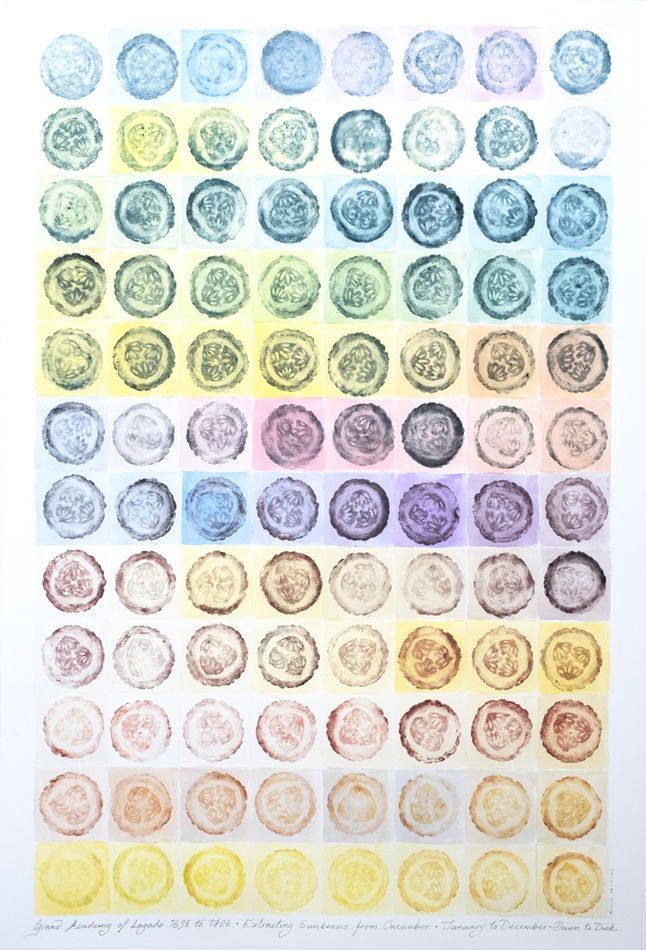
Yanny Petters, Extracting Sunbeams from Cucumber, January to December, Dawn to Dusk, watercolour and monoprint (70x50cm), 2026
"Gulliver goes to the Grand Academy of Lagado in 1706 to see what experiments the scientists are working on. One 'projector' is extracting sunbeams from cucumbers with the purpose of preserving them to warm the Governor's garden at a reasonable cost. He begs Gulliver for a donation of funds to continue his work for a further eight years. Swift satirises the Royal Society which in his view encouraged absurd and useless experiments detached from human needs that didn't change the divide between rich and poor.
My piece is based on the Sunbeams from Cucumbers experiment, and highlights our constant tweaking of nature. Now we have ended up with too few varieties of vegetables to sustain us, even though we've spent years and millions on 'improving' on nature. It's still just a few 'Governors' who benefit."
Yanny Petters
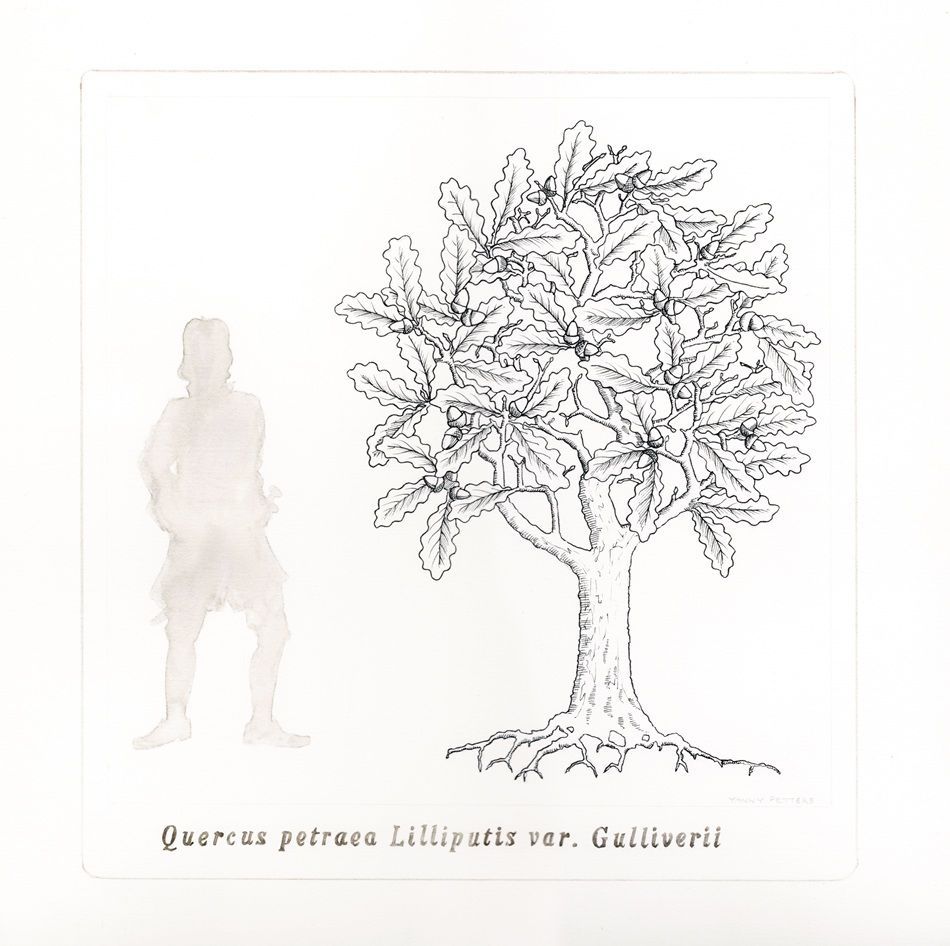
Yanny Petters, Quercus Gulliverii, pen and watercolour (16x28cm), 2026
"Europeans who voyaged the world in the 18th Century in search of adventure brought back many plant specimens as part of a great urge to discover the world. Captain James Cook (1728 – 1797) and the botanist Joseph Banks (1743 - 1820) sailed on HMS The Endeavour, venturing into the unknown and putting their mark on the world's discoveries. They named many plants after themselves, and through Carl Linnaeus' (1707 – 1778) plant nomenclature we see these and many other Europeans immortalized. Was this a selfish and egotistical urge? It's still a common practice today.
In Swift's Gulliver's Travels we see Gulliver compare Europe with the places he ends up in, often presuming that all things European are better than these Kingdoms.
I have been inspired to research how plant illustration would have looked and been used in the early 1700s based on the works that were reference material through the 16th century to the 19th century.
I imagine the plants that Gulliver describes in Lilliput, using inspiration from old master artists and engravers Leonhart Fuchs (1501 – 1566) and Sigmund Zwinger (1744 – 1813) to illustrate an Oak tree in proportion to Gulliver from his description of it being about seven feet high. I have included a silhouette of Gulliver in a similar way to which modern illustrations of trees often show a silhouette of a man beside the tree for scale.
Just as the discoverers of the 18th Century named the plants they found after the Genus, the place they found it and themselves, I have named the illustration after Lilliput and Gulliver. Quercus petraea is the genus Sessile Oak, and the variety is named after Gulliver. The illustration is as it might have been seen in a contemporary illustration.
The undercurrent to the work is to show how Europeans presumed to have discovered the world, and their way of claiming ownership and control over nature."
Yanny Petters
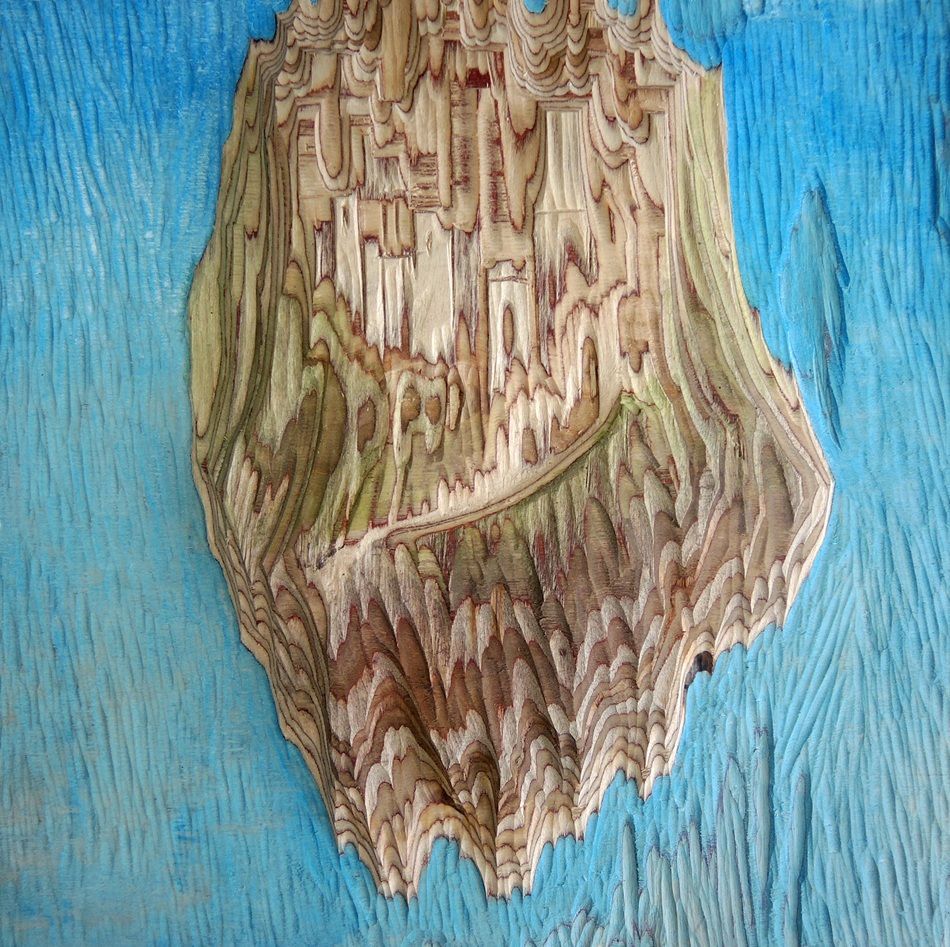
Eoin Mac Lochlainn, Laputa island, watercolour and wood carving on birch panel (30x30cm), 2026
"Lilliput, Blefuscu, Laputa, Glubbdubdrib, Luggnagg – these were some of the fantastical places that Gulliver visited on his journeys across the world. I liked the idea of islands as a source of wonder and perhaps, contrivance - so I decided to create a new series of works on this theme. In the beginning I was painting with watercolour on birch plywood but when I began to carve into the wood, I felt that the multiple layers in the plywood reflected the many layers - the political allegory, the philosophical and cultural critique etc - in Jonathan Swift's satirical novel."
Eoin Mac Lochlainn
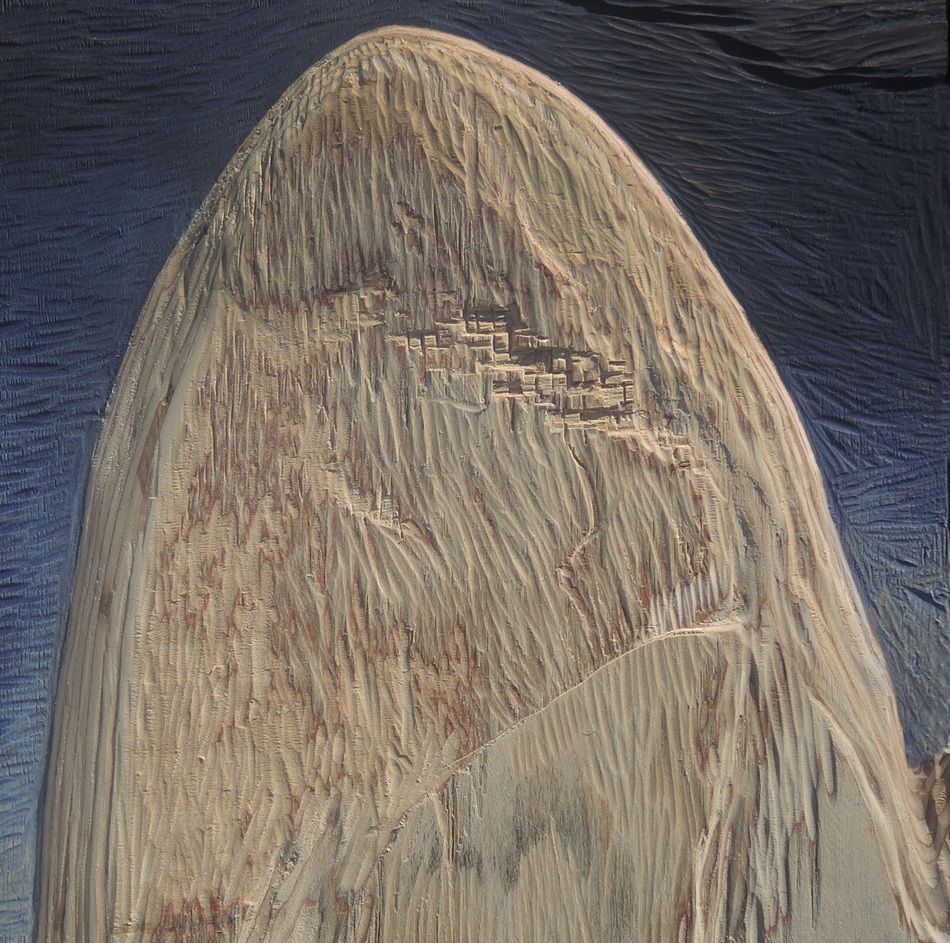
Eoin Mac Lochlainn, Blefuscu, watercolour and wood carving on birch panel (30x30cm), 2026
"Lilliput, Blefuscu, Laputa, Glubbdubdrib, Luggnagg – these were some of the fantastical places that Gulliver visited on his journeys across the world. I liked the idea of islands as a source of wonder and perhaps, contrivance - so I decided to create a new series of works on this theme. In the beginning I was painting with watercolour on birch plywood but when I began to carve into the wood, I felt that the multiple layers in the plywood reflected the many layers - the political allegory, the philosophical and cultural critique etc - in Jonathan Swift's satirical novel."
Eoin Mac Lochlainn
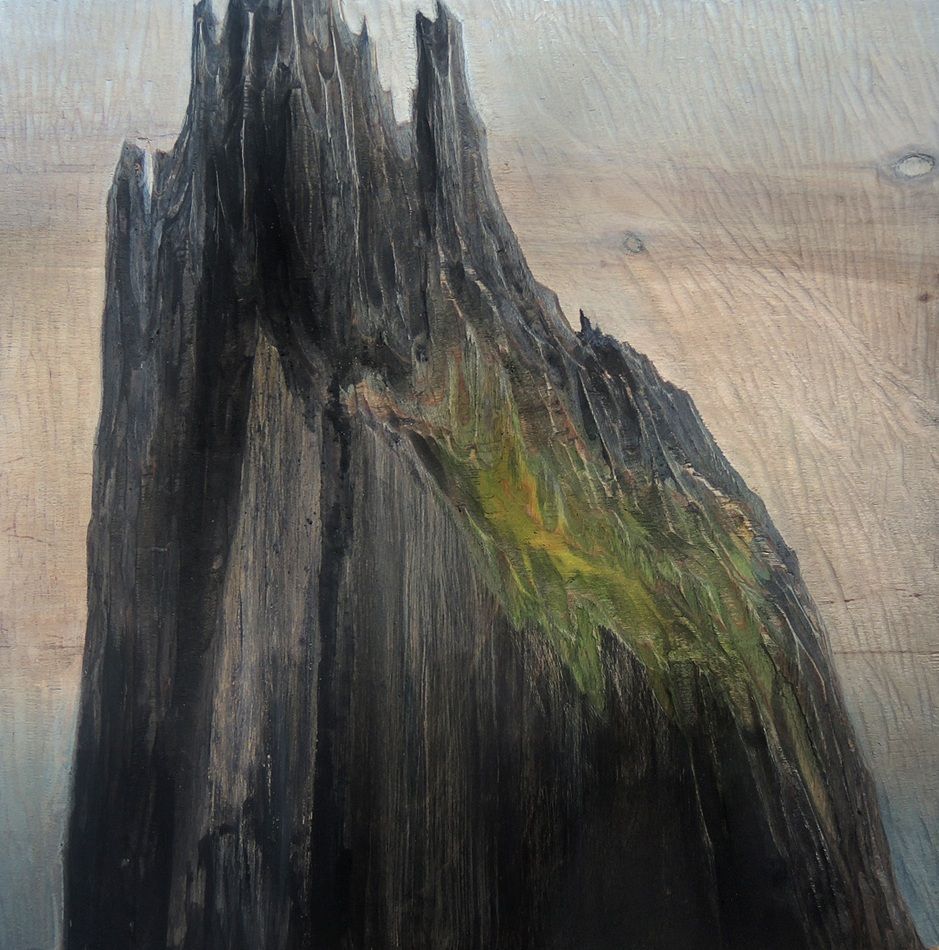
Eoin Mac Lochlainn, Glubbdubdrib, watercolour and wood carving on birch panel (30x30cm), 2026
"Lilliput, Blefuscu, Laputa, Glubbdubdrib, Luggnagg – these were some of the fantastical places that Gulliver visited on his journeys across the world. I liked the idea of islands as a source of wonder and perhaps, contrivance - so I decided to create a new series of works on this theme. In the beginning I was painting with watercolour on birch plywood but when I began to carve into the wood, I felt that the multiple layers in the plywood reflected the many layers - the political allegory, the philosophical and cultural critique etc - in Jonathan Swift's satirical novel."
Eoin Mac Lochlainn
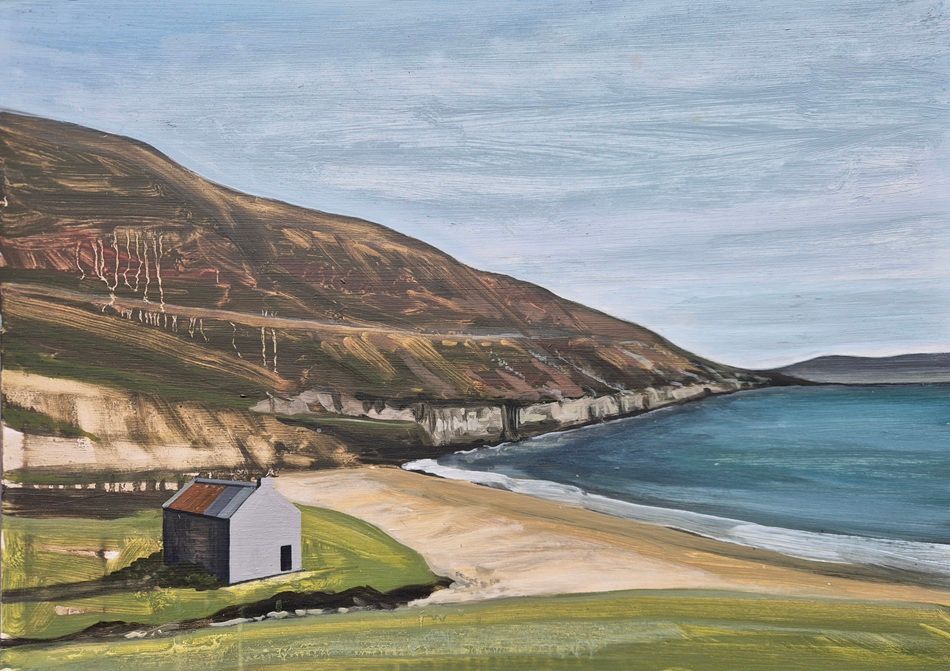
David Fox, Last House Keem Bay, oil on board (51x37cm), 2026
"For my response to the theme I chose: Travel as Estrangement — an abandoned structure isolated within an overwhelming landscape, continuing my ongoing exploration of derelict buildings and the changing relationship between human habitation and the Irish landscape.
An oil painting depicting an empty beach scene at Keem Bay on Achill Island. The building in the foreground been known famously for being featured in the movie Banshees of Inisherin."
David Fox
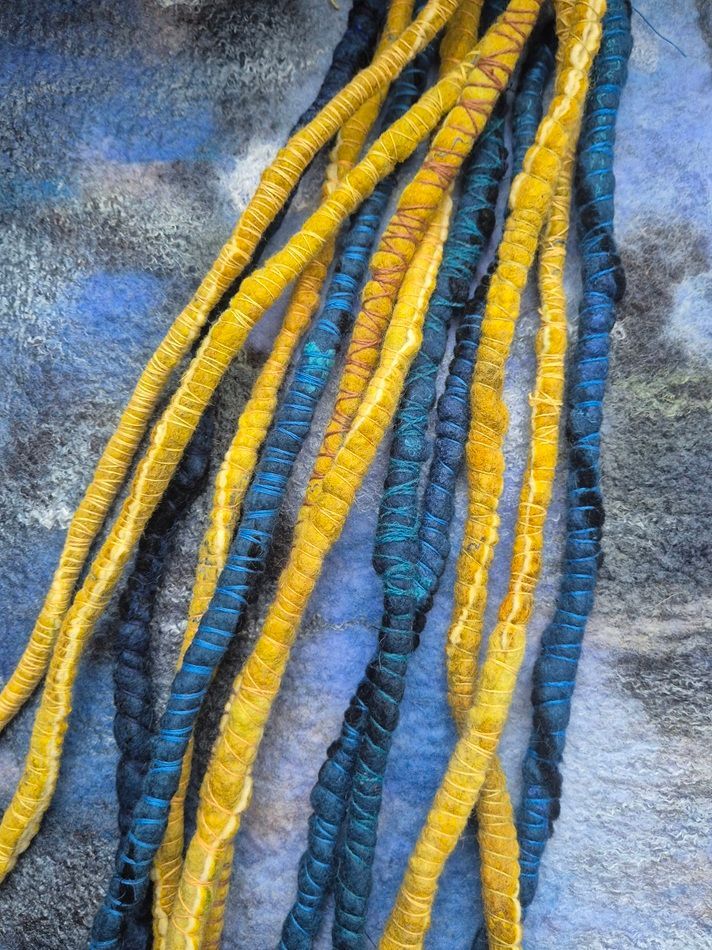
Annika Berglund, Entanglements (detail), wet felted Marino wool with silk and Tencel fibre and cotton thread (70x50cm), 2026
"One image immediately comes to me when thinking of Gulliver's Travels. It is the scene where he wakes up on the beach in Lilliput immobilised by myriads of thin ropes. A giant threat brought down by a community working together.
It made a strong impression on me already as a child.
The tying together of things, people, events is a recurring theme in my work.
Threads that bind and support, hold a strong personal meaning for me. Networks and personal, familial, and professional ties connect us, sustain and hold us up, but in some ways it can also constrain."
Annika Berglund
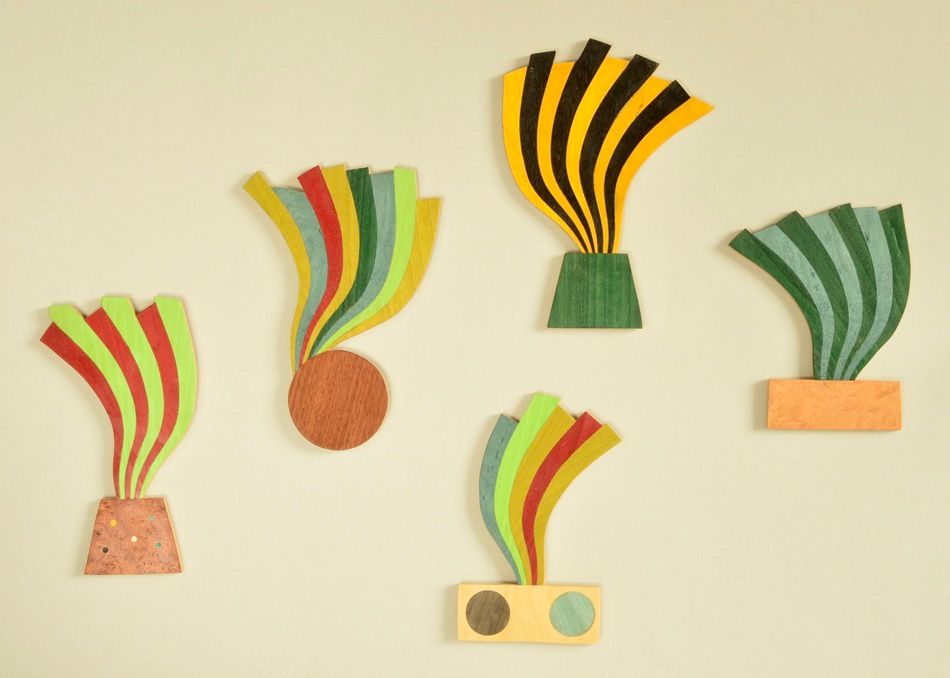
Hugh Cummins, Rope Dancer 1 to 5, Sycamore dyed different colours, varied sizes.
"In studying Jonathan Swift's important work of satire in Gulliver's Travels, I encountered the numerous flaws of various civilisations, the elaborate critique of human nature, societal flaws and norms, and of personal relationships.
I was particularly struck by the number of meetings Gulliver had with leaders/royalty, the interactions with their cultures, and their disparate complicated responses to living together.
Although Gulliver does find a friend in each of his travels - in general the tone of the work is often bleak and necessarily very detailed.
In response, artistically, I chose to highlight the very limited mentions of colour – drawing on the first encounters with the King of Lilliput.
The Emperor, ... Mully Ully Gue, invited Gulliver to be diverted with "Rope-dancers performing in Country Fairs with dexterity and magnificence". In addition the Emperor desired "...I would stand like a colossus, with my legs as far asunder as I conveniently could; he then commanded his general ...... to draw up the troops in close order, and march them under me; the foot by twenty-four in a breast, and the horses by sixteen, with drums beating, colours flying...."
Highlighting colours with newly explored designs, containing movement and pattern, offers a distinct and memorable contrast."
Hugh Cummins
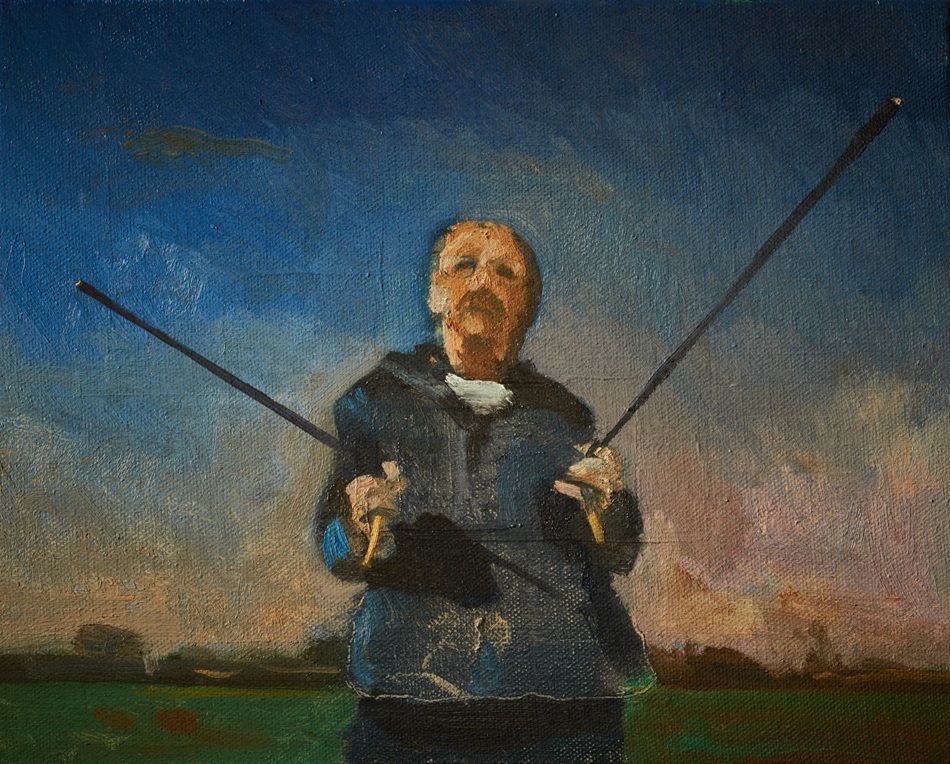
Conrad Frankel, Looking for water I, oil on canvas
"In the book Gulliver's Travels, Jonathan Swift holds a mirror up to human self-importance, folly, and conceit.
When he died in 1745, he bequeathed his estate to found St. Patrick's in Dublin, Ireland's first psychiatric care facility, with the jab 'no nation wanted it so much.' He wasn't a man who held back his opinions, and were he alive, he'd enjoy the comedy of George Carlin and Louis C.K. He was a writer who used irony, exaggeration, and humor to expose and criticize the foolishness and corruption of individuals, politics, and society.
I watched a 1970s Australian documentary on water divining a few years ago. The lead diviner was so confident but ultimately failed the double-blind test that was set up for him. There is no reliable scientific evidence that water divining works better than chance, yet people are passionate about it. I was struck by the diviners priest-like devotion to what ultimately is nonsense, and started making images of it a few years ago.
Satire is not for everyone. But here I doff my cap to Dean Swift, in gratitude for bringing some lightness to an ever darkening world."
Conrad Frankel
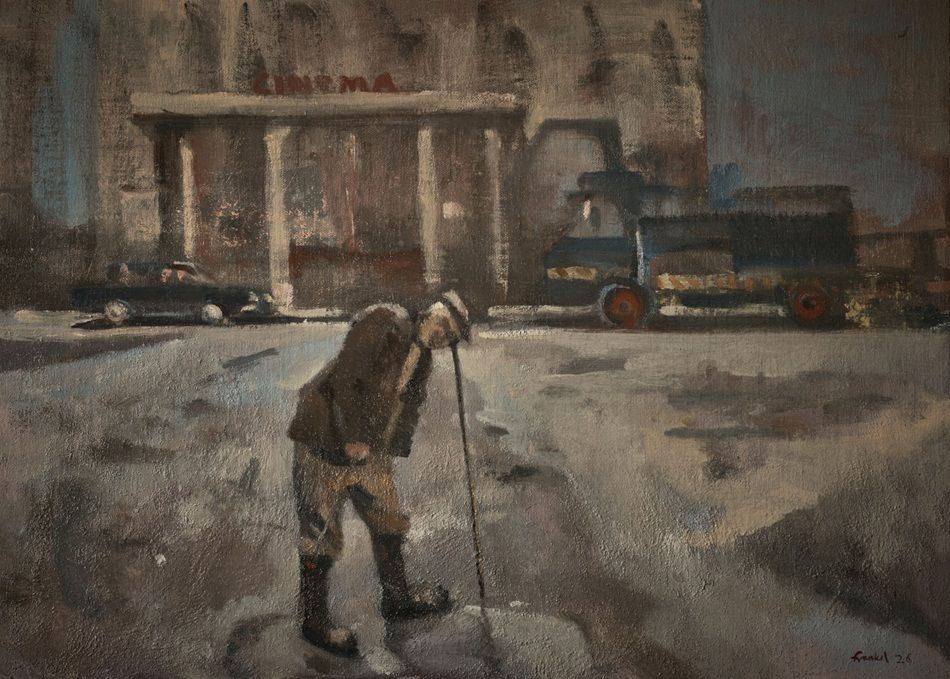
Conrad Frankel, Looking for water II, oil on canvas
In the book Gulliver's Travels, Jonathan Swift holds a mirror up to human self-importance, folly, and conceit.
When he died in 1745, he bequeathed his estate to found St. Patrick's in Dublin, Ireland's first psychiatric care facility, with the jab 'no nation wanted it so much.' He wasn't a man who held back his opinions, and were he alive, he'd enjoy the comedy of George Carlin and Louis C.K. He was a writer who used irony, exaggeration, and humor to expose and criticize the foolishness and corruption of individuals, politics, and society.
I watched a 1970s Australian documentary on water divining a few years ago. The lead diviner was so confident but ultimately failed the double-blind test that was set up for him. There is no reliable scientific evidence that water divining works better than chance, yet people are passionate about it. I was struck by the diviners priest-like devotion to what ultimately is nonsense, and started making images of it a few years ago.
Satire is not for everyone. But here I doff my cap to Dean Swift, in gratitude for bringing some lightness to an ever darkening world.
Conrad Frankel
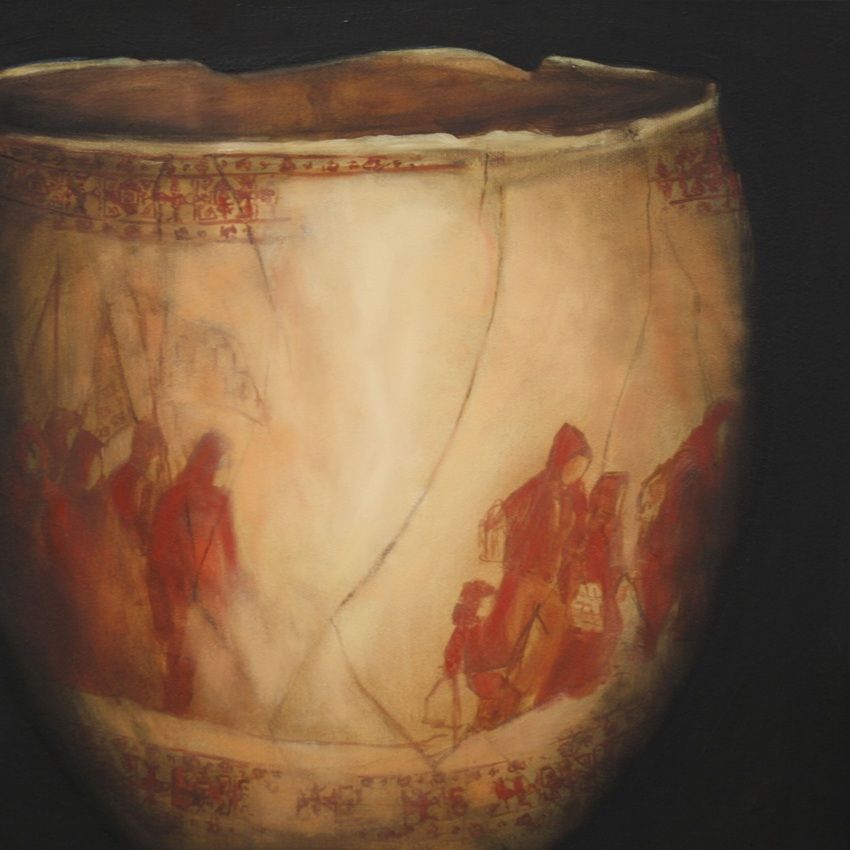
Miriam McConnon, Hunting the Wounded, oil on canvas (40x40cm), 2026
Miriam Mc Connon’s painting Hunting the Wounded connects to the themes of forced displacement and occupation, that are so prevalent in Johnathon Swift’s Gulliver’s Travels.
In this artwork, Miriam references the archeological documentation of war through the image of displaced Palestinian families etched onto the side of an ancient ceramic pot. History is more often narrated through a series of battles, won and lost. Miriam McConnon’s work aims to document and to archive for future generations this overlooked side of this war. To preserve the narrative of the resilience of the domestic living space and its function as a gate keeper of everyday security. It is a space that has to be constantly re-created during the battle to survive war and occupation. The work references how the scars of colonization remain embedded in the land and as in Swift’s novel, she examines the hypocrisy of its legacy.
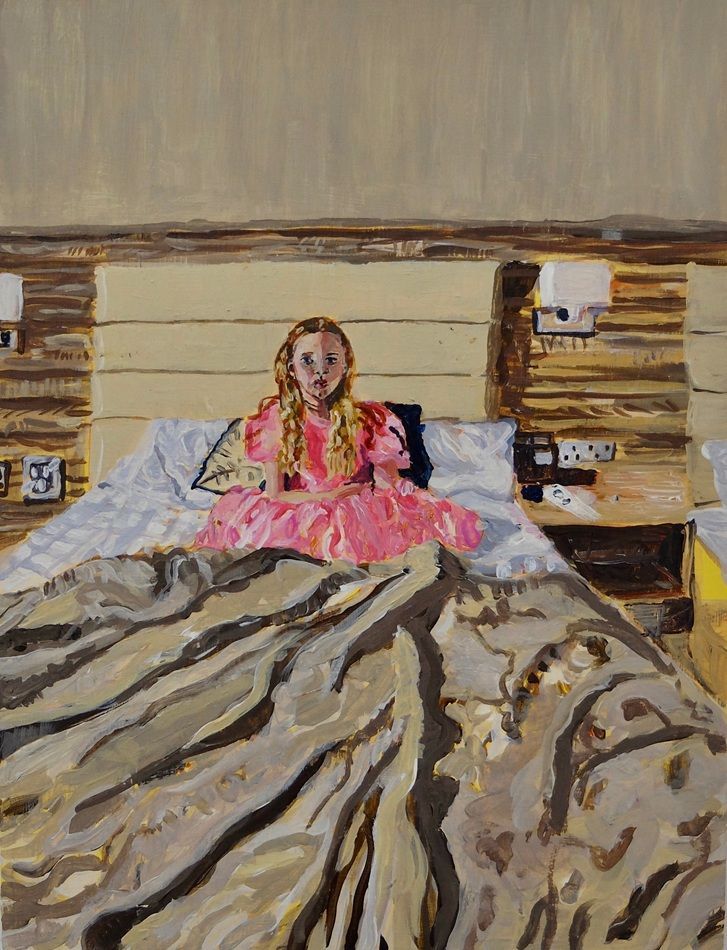
Vicky Smith, Saoirse ag caitheamh an gúna bándearg i nDún na nGall, Saoirse wearing a pink dress in Donegal, acrylic on panel (40.6x30.5cm), 2026
Vicky Smith’s painting of domestic scenes encapsulate moments of motherhood,intimacy and the everyday informed by memories of her childhood. Her autobiographical paintings of family speak to the experience of tenderness and relationships. Smith’s recent paintings collate a number of personal scenes from memory and family photographs. The re-enactments, captured and staged photos add visual depth and an inventive exploration of the medium of paint. Patterned wall paper, duvets, dressing gowns, folds of clothes, baby-gro’s and dresses are personal and full of inherited histories, the artist’s own childhood and her experience as a mother with a young daughter. The paintings possess a documentary quality that is loaded with personal meaning.
For Tales of Human Follies—a group exhibition responding to the 300th anniversary of Jonathan Swift’s Gulliver’s Travels—artists present a series of works that hint at the distorted mirrors held up to human vanity, reason, politics, and self-regard, all disguised within a traveller's tale.
Smith’s painting, Saoirse ag chaitheamh an gúna bándearg i Dún na Gall, Saoirse wearing a pink dress in Donegal, stages an intimate captured moment just after the artist’s young daughter has dressed for her cousin's confirmation in Donegal. Waiting comfortably in her own body on the hotel bed, she prepares to go to the church and celebrate with her older cousins. Saoirse bought the bright pink ruffle dress independently and quickly during a shopping trip to town the previous weekend. Her pose is grand yet innocent, filled with anticipation for the family day ahead and her future as a young child living with her family in Ireland.
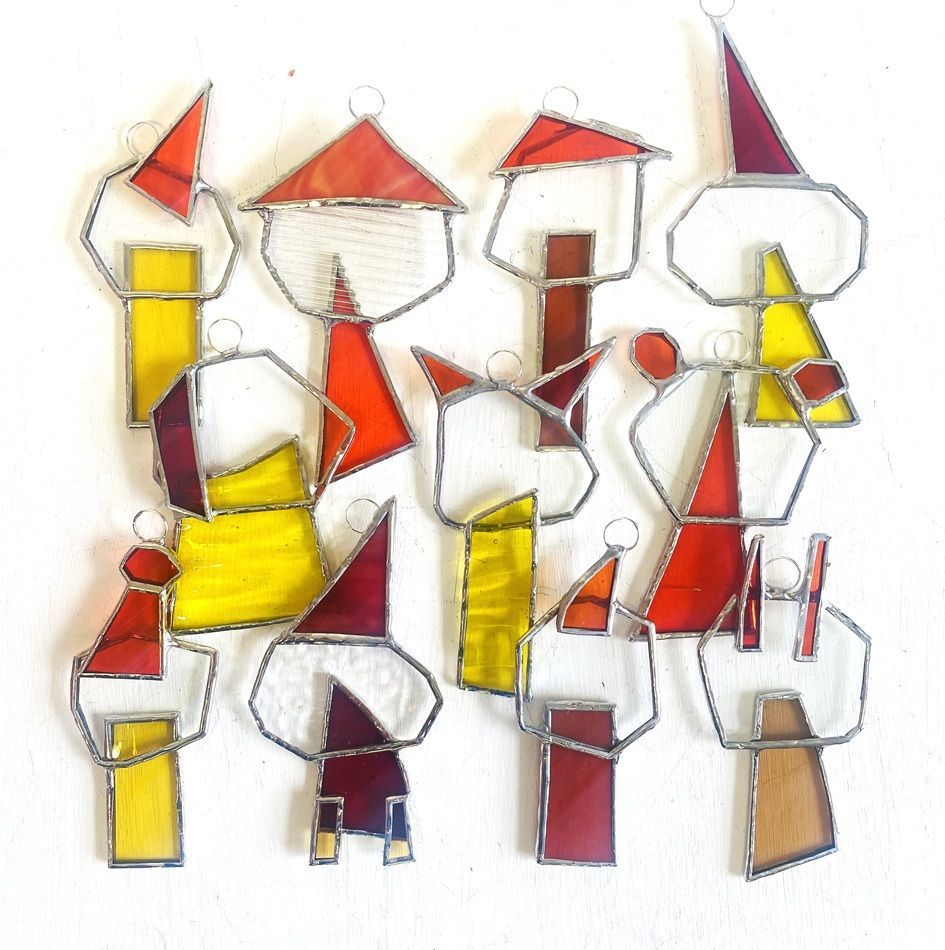
Kelly Ratchford, The RedHat-ians. stained glass, clear glass, solder and fishing line (dimensions vary), 2026
"The RedHat-ians
“The learned among them confess the absurdity of this doctrine, but the practice still continues,
in compliance with vulgar.”
Gulliver’s Travels, Jonathan Swift, Part 1, “A Voyage to Lilliput”, Chapter 6, 1726
Using mixed media, Kelly Ratchford creates ambiguous images that allude to experiences not
necessarily comfortable, easy, or tasteful. Her interest in these lonely and anxious states
competes with an enthusiasm for colour, street art, humour and the pictures drawn by young
children. It is this tension and the challenge of using simple lines to create more layered pieces
that provide the basis for her work.
The RedHat-ians, a series of stained glass figures, represents the fealty of fools hysterically
defending a convicted criminal and ill-equipped president wearing no clothes and red hat."
Kelly Ratchford
Mary A. Fitzgerald, The Stretch, acrylic on canvas (100x120cm)
Scale and Perspective — ‘Gulliver’s Travels’
Brobdingnag - A fictional land populated by giants
"In recent years my work has moved from small format paintings to large scale work. ‘Stretch’ is the largest painting I have made to date. For DGW we are responding to ideas based on Johnathan Swifts ‘Gulliver’s Travels. The idea of working with scale relationships and the shifts in perspectives within a composition is the thematic which underpins the work. I am interested in the idea of imagining new worlds, in open-ended narratives, that a viewer, or reader completes the story.
I am aware of how a shift in colour and placement of marks impacts the overall. The image is always in flux and at the edge of resolve. As a painter, I work instinctively and in a haptic manner, paintings are evolved in progressive manner, undertaking a series of incremental decisions. Images emerge which bounce between opaque abstractions and recognizable forms.
My vocabulary of iconography originates in the everyday; an eclectic gathering of images, daily random observations entangled with memory and recall. These ‘new realities’ with their combination of personal narrative, of momentary and fleeting images, are brought together, transformed and communicated through the process of painting.
The work suggests new places and objects, while also incorporating personal sensation and experience. Playing with perceptions of physical and emotional space, the work questions the extent of what we can ever truly know, see or feel. The process of revealing and concealing the narrative, of building up and scraping back, creates a history and archaeology of my daily travels and painterly process within each piece. Each work enjoys both a tangible and a subliminal existence. The spaces and silences created in- between remain for the observer to explore."
Mary A. Fitzgerald
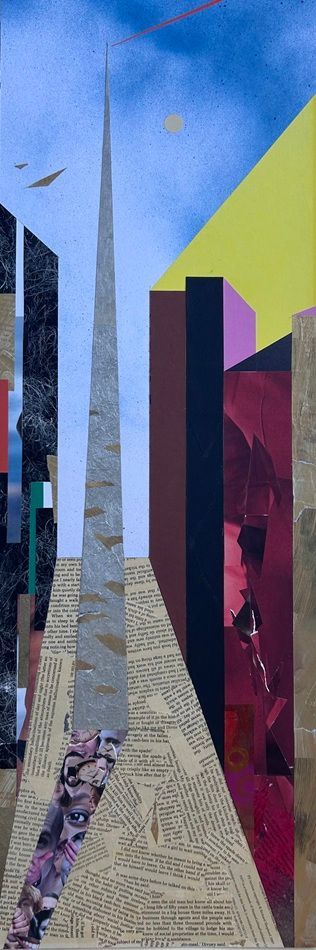
Colin Eaton, Spirelíne, paper-cut, collage mixed media (80x27cm), 2026
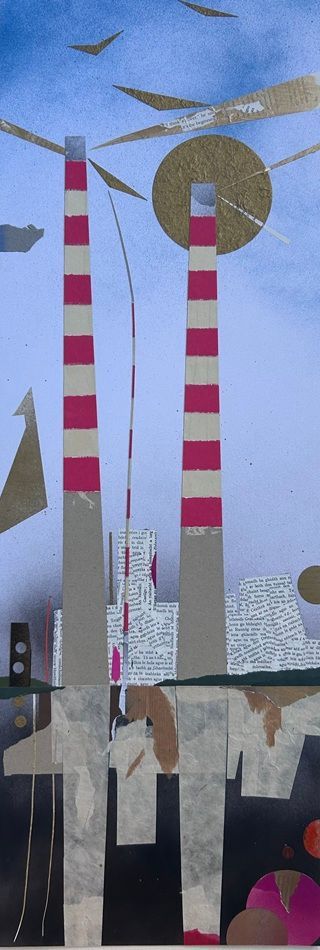
Colin Eaton, I think it’s over he said - it’s the beginning, paper-cut, collage mixed media (80x27cm), 2026
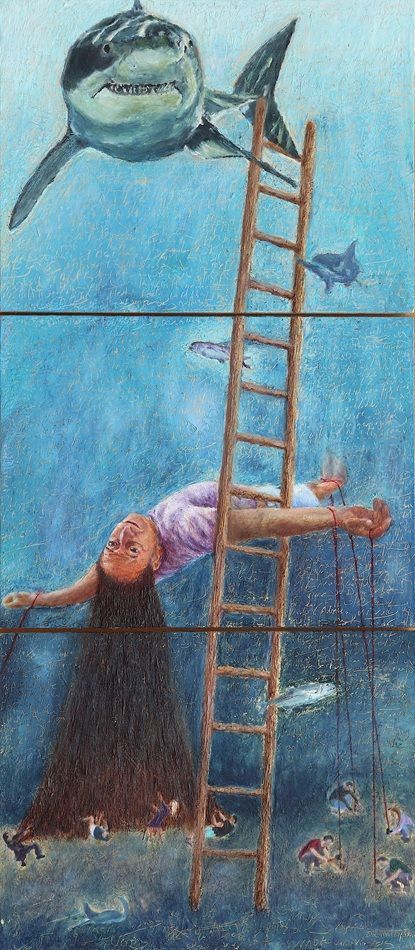
Daniel Lipstein, Swift, a Turn to the Unconscious (triptych), oil and gold leaf on panel (46x20cm), 2026
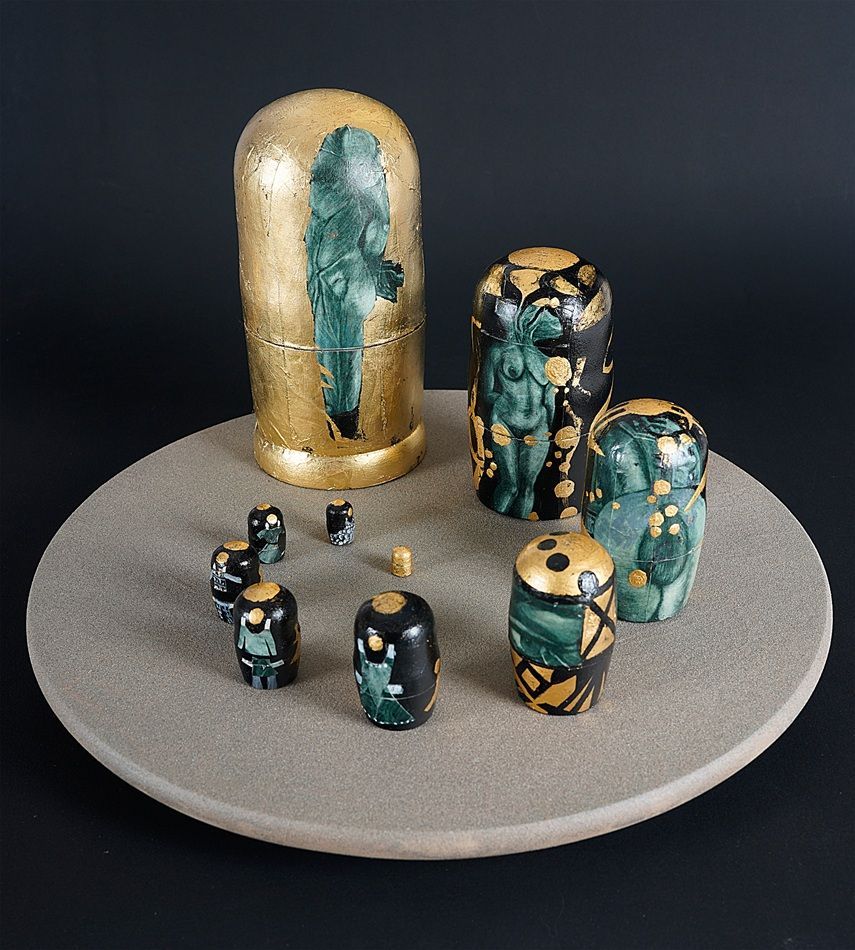
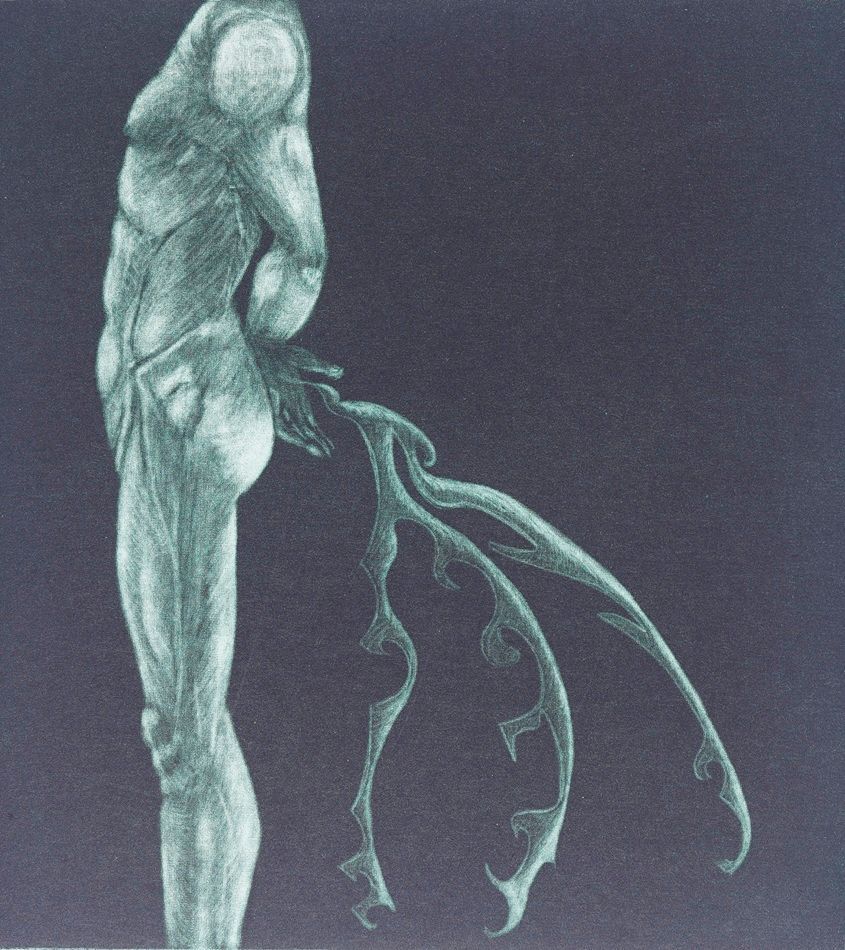
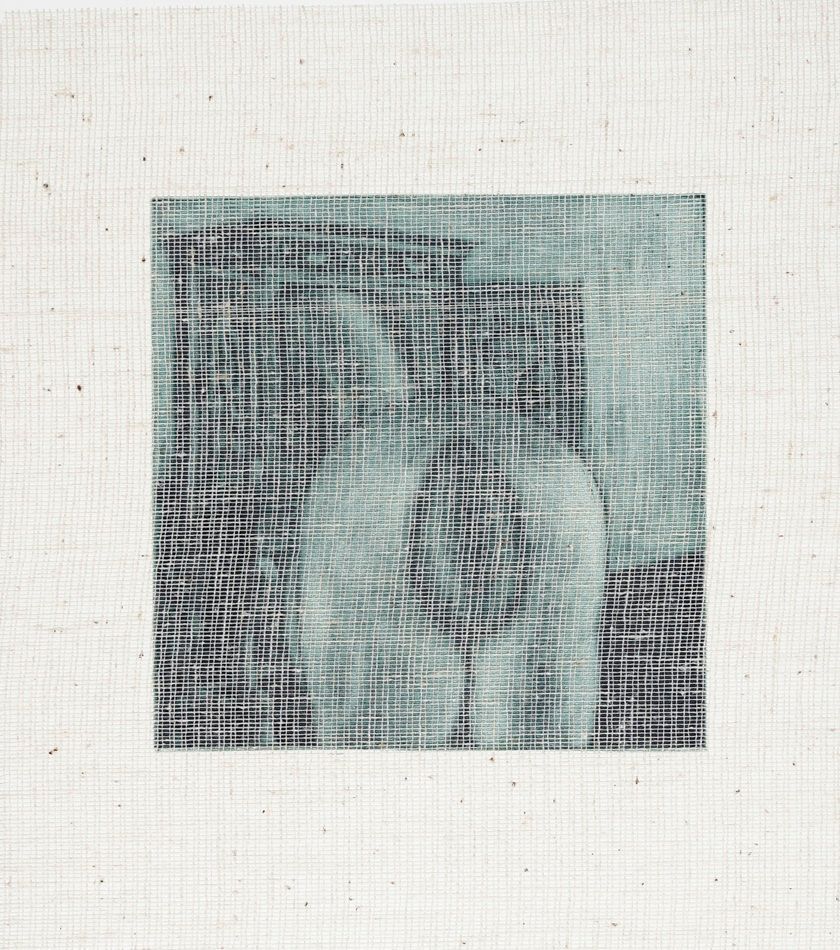
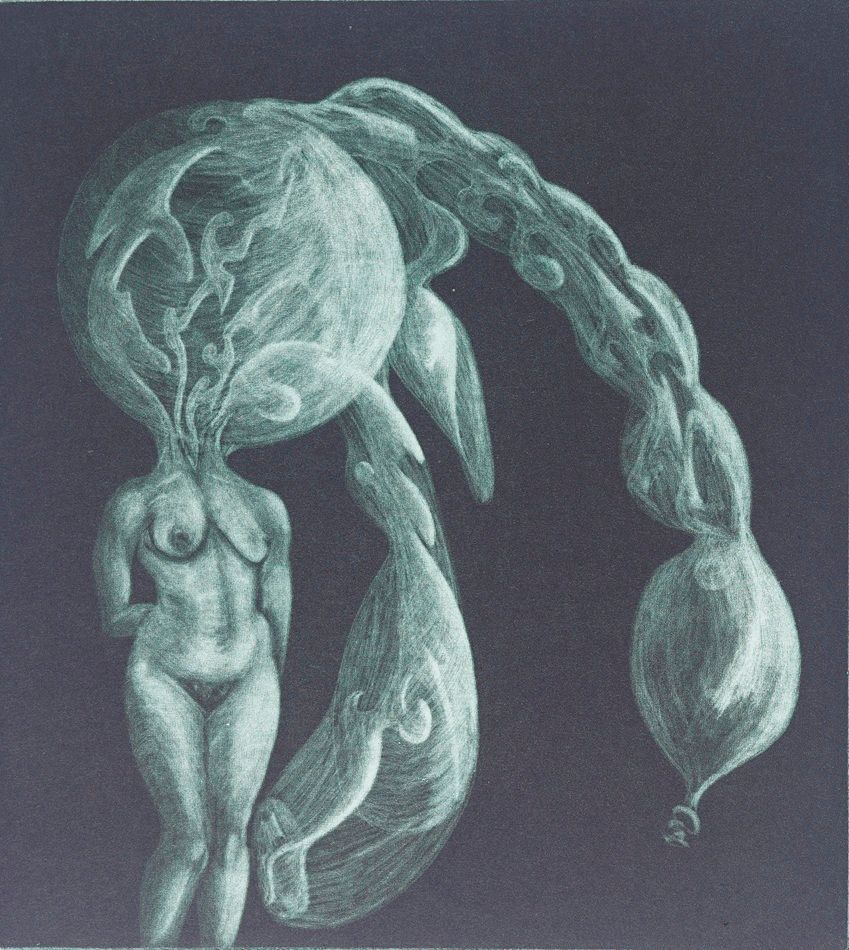
Nickie Hayden, Ascending Stupidity, mezzotint prints on blank wooden Russian dolls (1.5cm to 20cm in height), finished with acrylic paint and gold leaf, sitting on a rotating plinth (39cm diameter).
"Many years ago, as a member of Black Church Studio, I made work for an exhibition titled The Emperor's Wardrobe, selected by John Rocha. When Olivier Cornet invited me to respond to Jonathan Swift's Gulliver's Travels, I saw a direct connection between my earlier work and Swift's satirical exposure of vanity, power and society's hypocrisy.
This new work is an opportunity to revisit what I believed then and what I believe now; Ego is still at the heart of our problems, in that it leads to a lack of morality and empathy, and the desire for money. The endless need to possess more wealth, more status, more power, more women. i.e. Trump's America.
What concerns me is today's failure to understand the lifelong consequences of the misuse and abuse of children, boys, girls and women.
A woman who has been controlled, exploited or valued primarily for her sexuality does not simply walk away when the immediate abuse ends. It can shape how she understands herself for the rest of her life.
In these times, women are still being pilloried for finding a way to survive.
The cycle continues: first she is controlled, then she is condemned for how she responds to that control. She is judged for the inappropriate choices she makes.
We still live in a world where women are judged for their sexuality while men are far more readily excused for theirs. The supposed flaws of these women cannot be separated from the original violence done to them.
Tales of Human Follies/The Emperor’s Wardrobe is my response to that contradiction.
Like Swift, I use satire to expose the absurdity beneath the surface — the vanity, entitlement and brutality of those who believe power gives them ownership of others.
I live in hope that our society can learn to meet victimised women with compassion rather than condemnation and understand the ways in which survival can shape a life.."
Nickie Hayden
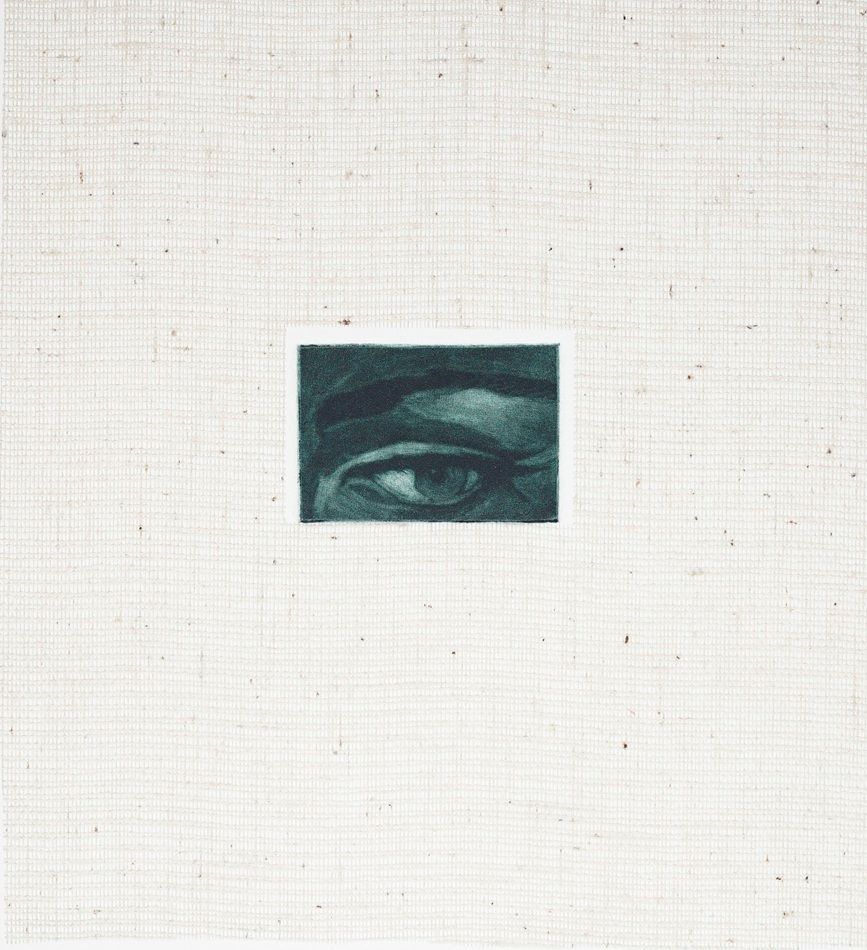
Nickie Hayden, I Am Only a Mouth, mezzotint print (19x17cm), 2000. See Russian Doll image
Nickie Hayden, Self Inflated Ego, mezzotint print (19x17cm), 2000. See Russian Doll image
Nickie Hayden, Oh Yes It is, mezzotint print (19x17cm), 2000. See Russian Doll image
Nickie Hayden, Manually Inflated Ego, mezzotint print (17x27cm), 2000. See Russian Doll image
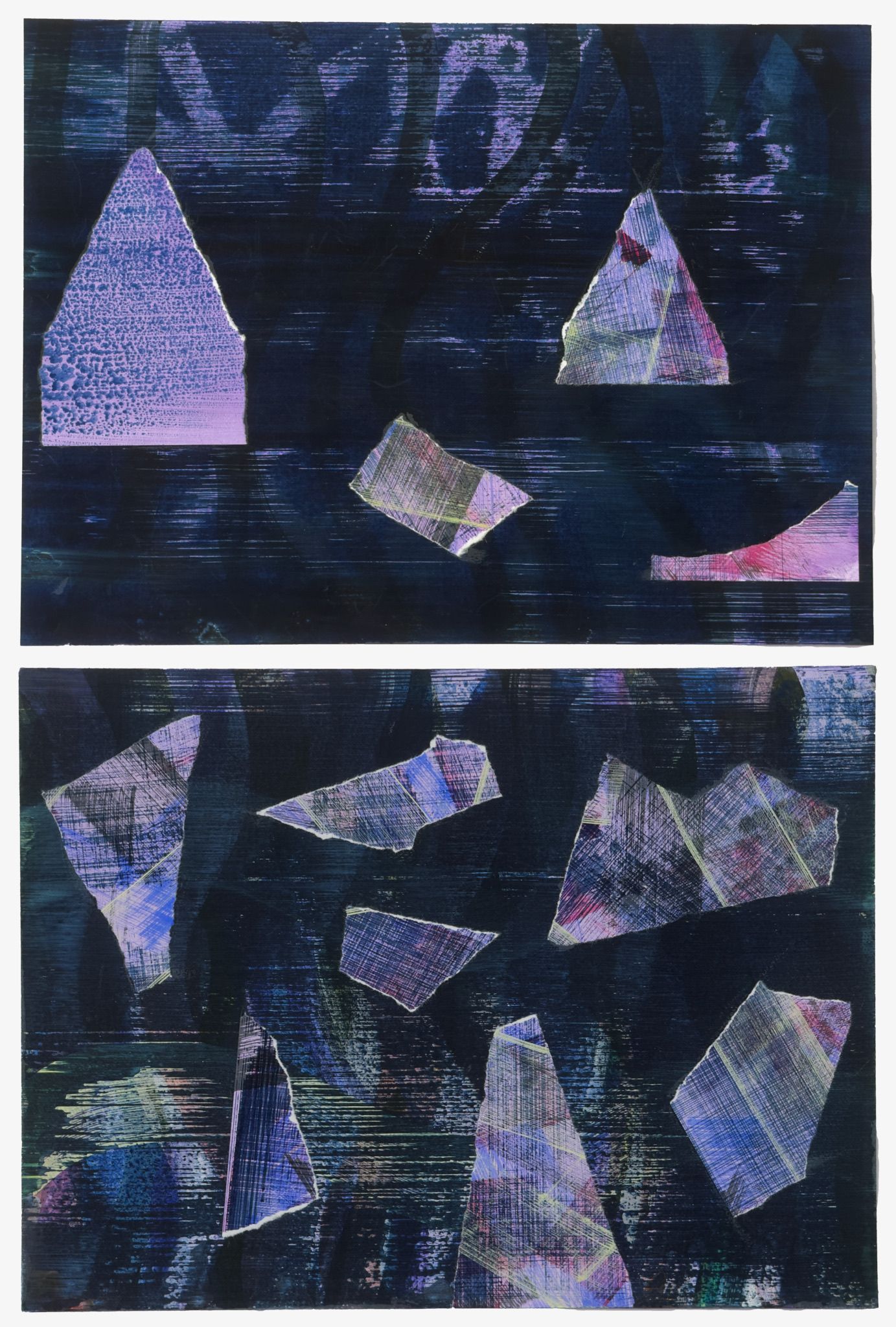
Sheila Naughton, Gulliver’s Travels l (diptych), collage of painted papers (78x58cm)
"I took a theme of disassociation and disconnectedness as representing an aspect of “Gulliver’s Travels”.
Jonathon Swift, the writer of “Gulliver’s Travels” suffered from Ménière’s disease, the symptoms of which are dizziness, vertigo and increasing deafness. This would have caused a growing sense of isolation for him and may have been why he ultimately becomes alienated and detached from society, despite having some positive experiences and kindness shown to him on his travels. I focussed on the idea of travels in the mind, as the book is more about his imagination and the stories he invents to comment on the society in which he lived than on any literal travels.
I chose to work with painted collage as the life of Jonathan Swift seems to me to be like a collage of disparate elements. The dark indigo blues suggest long voyages by night in his dreams and also a mindset which focussed on the darker aspects of human nature. The fragmented shapes represent how he perceived his experiences of the imaginary countries and cultures he found himself in."
Sheila Naughton